Biodynamic Conference 2014 Pictures


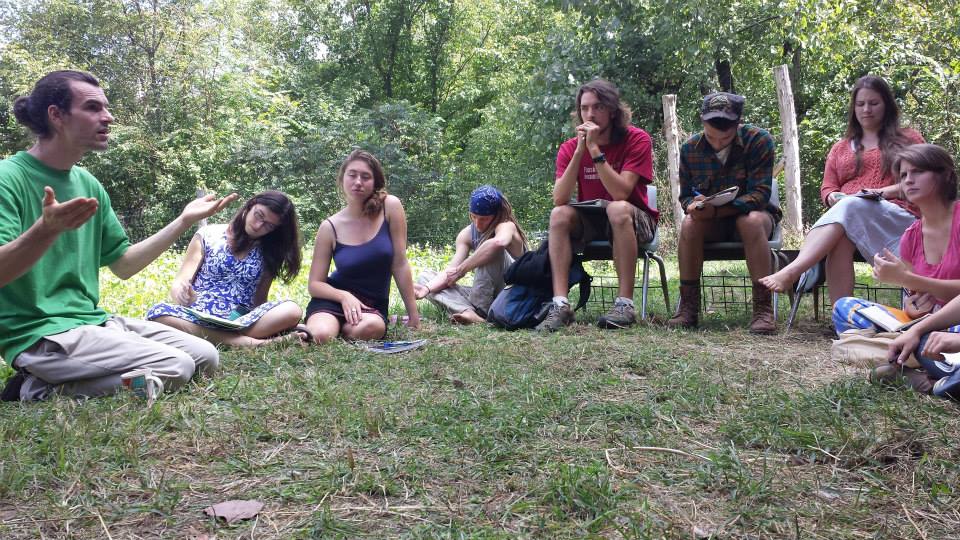
The Southeast annual biodynamic event went off without ahitch as once again our log cabin became transformed into a conference center. About 150 folks roam about for a few days of fun and feasting, most of themcamping in the field. Speakers came from as far away as Oregon and Costa Rica,along with a good representation…
Winter is here and we are thankful for our greens that are still growing out in the ground, the root crops we have stored in warm places, and the summer vegetables we canned in anticipation of a cold, non-yielding winter. While there is less to do in the garden this time of year, there is…
Dear Facebook Friends, I have chosen not to look at computers for a variety of reasons. My time is spent outside during daylight, tending plants, animals and farming equipment, or shooting the breeze with neighbors and friends. I value computers and all they offer, and if I’d been born later I’m sure I’d be using…
The one thing I don’t like about sweet potatoes is that they taste better than butternuts. When I reach for a butternut to bake for dinner, my arm involuntarily dips in the adjacent basket and it’s sweet potatoes for dinner again. I would say I hate when that happens, but it’s not true. How could…
Microbes make good compost, compost makes lots of good vegetables, and excess vegetables make for good neighbors. I love my neighbors, and we love to give away vegetables. What are cooks to do when they retire? Dan the soup man often shows up with a jar of deliciousness, and then forages around the gardens for…
After typing up a consultation report to send to a recent client, I thought, “there is a ton of great information in here that people would probably love to read”, so I had to share with you all. The following is from the most recent consultation Jeff did. …
Comments are closed.
Wow nice farming how many people are working to keep up with this area? How ‘d the Sweet potato go The 21 lb. We met you in MISSISSIPPI we are the Mushroom farm1 SHROOMDOM INC.